


How Long Does Postpartum Lochia Normally Last?
28 September 2026
After giving birth, mothers experience vaginal bleeding and discharge for a period of time. This is known as lochia.
Many mothers wonder:
Why am I still bleeding several days after delivery?
Why does the colour keep changing?
When should it stop completely?
Lochia is part of the normal recovery process after childbirth. It does not stop immediately after delivery. Instead, it gradually becomes lighter and less noticeable as the uterus heals.
Heavier, Redder Bleeding at the Beginning Can Be Normal
During the first few days after birth, lochia is usually redder and heavier, and may look similar to a period.
As recovery continues, the amount should gradually decrease and the colour may change from bright red to darker brown, pink, and eventually lighter discharge. NHS guidance notes that lochia commonly continues for several weeks and gradually reduces.
Some mothers may notice that bleeding becomes temporarily heavier during breastfeeding, together with mild cramping.
This can happen because breastfeeding causes the uterus to contract.
How Long Does Lochia Last?
There is no exact timeline that is the same for every mother.
For some, bleeding becomes very light after a few weeks. For others, it may continue longer.
NHS guidance states that lochia often stops by around 6 to 8 weeks after birth, although it can sometimes last longer.
The important thing is not whether it stops on one exact day, but whether the overall pattern is becoming lighter and less heavy.
Lochia Does Not Stay the Same Throughout Recovery
The colour and amount of lochia change as the body heals.
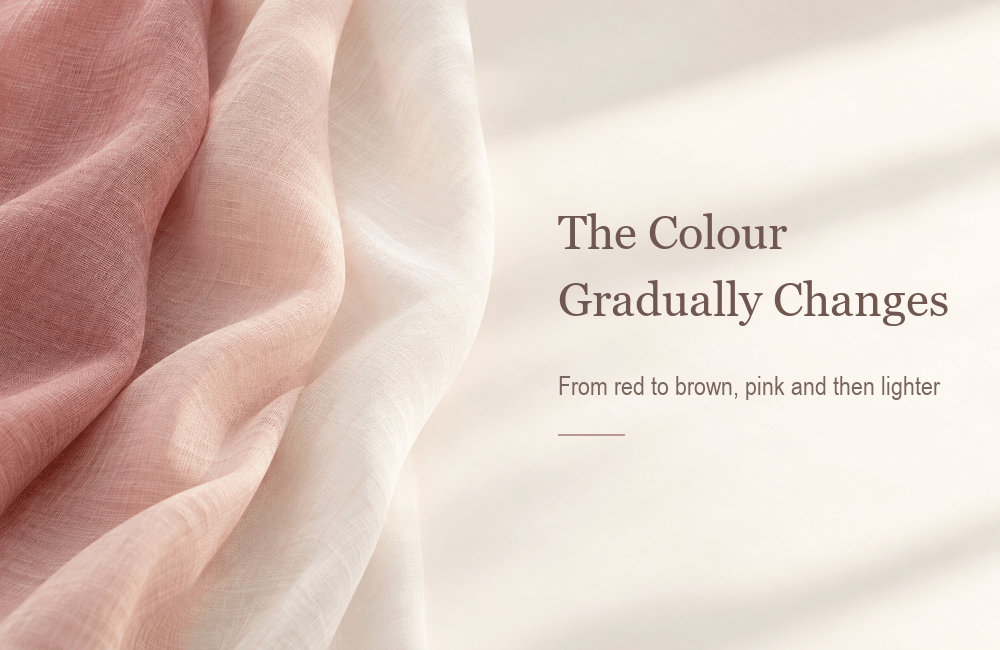
It is usually red at first, then gradually becomes brownish or pink, and later lighter in colour.
ACOG notes that normal postpartum bleeding should gradually decrease and typically changes from red to brown or pink before becoming lighter.
However, if the bleeding had already become lighter and then suddenly becomes much heavier again, it is worth paying attention.
Are Blood Clots Always Abnormal?
Small clots can sometimes occur during the early postpartum period.
ACOG notes that some women may pass small clots during the first day or two after birth.
However, large or repeated clots, especially together with heavy bleeding, dizziness, weakness, or a racing heartbeat, should be assessed promptly.
When Should You Contact a Healthcare Professional?
Seek medical advice promptly if:
- bleeding suddenly becomes much heavier
- the bleeding is not reducing
- you pass large blood clots
- the discharge has an unusual or foul smell
- you have a temperature above 38°C
- abdominal pain is getting worse
- you feel faint, weak, or notice a racing heartbeat
- the bleeding becomes suddenly and extremely heavy
NHS advises seeking medical help if postpartum bleeding becomes heavier, smells unusual, is associated with fever or worsening abdominal pain, and recommends emergency care for sudden very heavy bleeding with dizziness or a pounding heart.
ACOG also lists very heavy postpartum bleeding as a warning sign requiring prompt assessment.
A Reminder for Postpartum Mothers
Lochia is not something that needs to “finish as quickly as possible.”
It is one part of the uterus gradually healing after birth.
What matters most is whether:
the amount is decreasing, the colour is becoming lighter, and there are no concerning symptoms.
If the overall trend is gradually improving, that is generally more reassuring.
But if the bleeding feels clearly different from what you have been experiencing, or you develop other symptoms at the same time, do not rely on self-monitoring alone.
You do not need to push through unusual postpartum symptoms. Seek professional assessment when something does not feel right.